

Furnace Installation in Albuquerque, NM
Gas, propane or electric, sized room by room with a Manual J load calculation and set up for our elevation.
- NM CID License #413436
- 24 Google reviews
- Led by Dominic Montoya, over 20 years in the trade
- Free written estimates
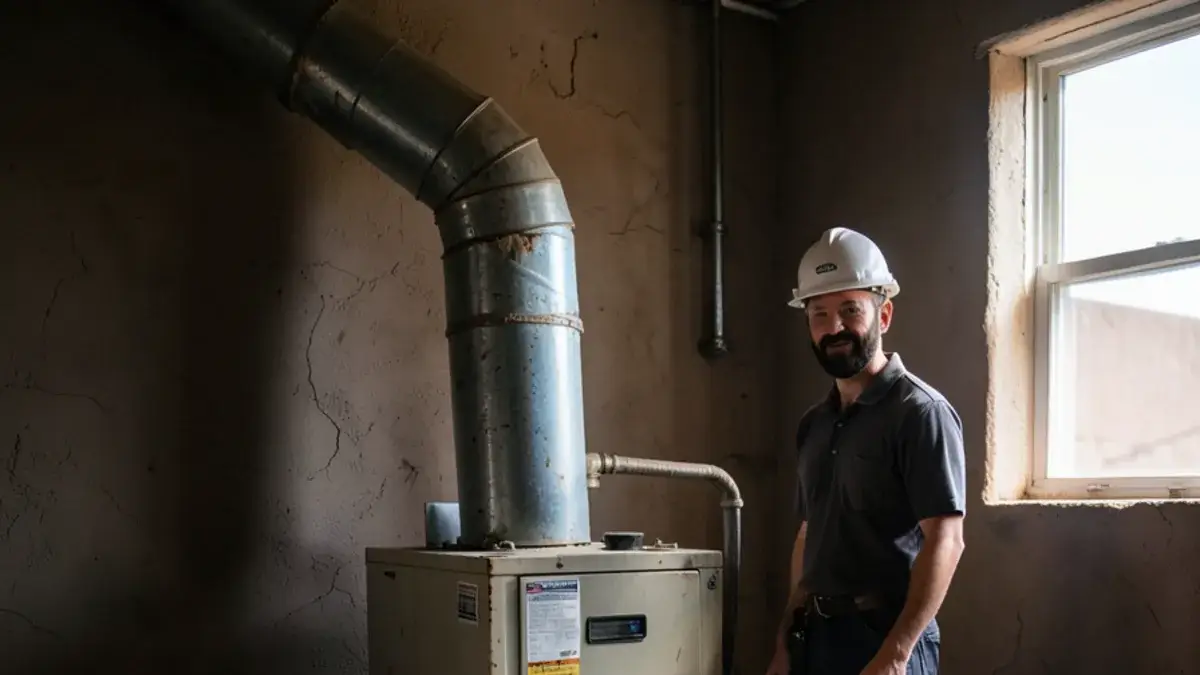
Furnace installation in Albuquerque is mostly a design job. The fuel, the size, the location and the venting all get settled on paper before a new furnace comes through the door. Red Wrench Company does that work first, whether the house is a new build, an addition or a home that has never had central heat, and you get a free written estimate.
Gas, Propane or Electric: Which Furnace Fits the House?
Choose the fuel first, because it decides the venting, the gas line and the running cost.
| Fuel | Fits best when | Watch for |
|---|---|---|
| Natural gas | A New Mexico Gas Company line reaches the home | Gas line capacity and high-altitude setup |
| Propane | The home is off the gas main, as many East Mountain and Estancia Valley homes are | Conversion kit per the manufacturer, tank and regulator capacity |
| Electric | No gas service, a small space or a tight budget up front | No flue, but it usually costs more to run than gas |
Ask us about a heat pump as well if you are starting from scratch. On an all-electric home it can cut heating electricity use by about half compared with an electric furnace, according to the U.S. Department of Energy's Energy Saver guide.
If you already have a furnace and want to know whether to change it, our furnace replacement page is the better read.
Signs the House Needs a Planned Install
- Rooms that miss 68°F. Inside Albuquerque, City Code § 14-3-3-2 sets that mark for habitable rooms, measured three feet above the floor.
- An unvented gas heater doing the work. The same code section bars unvented fuel-burning heaters, so that heat has to be replaced.
- An addition past the ducts. New rooms the existing system cannot reach need their own plan.
- Wall or floor heaters only. Far rooms stay cold, and central heat means finding a duct route first.
How Big Should a Furnace Be at 5,300 Feet?
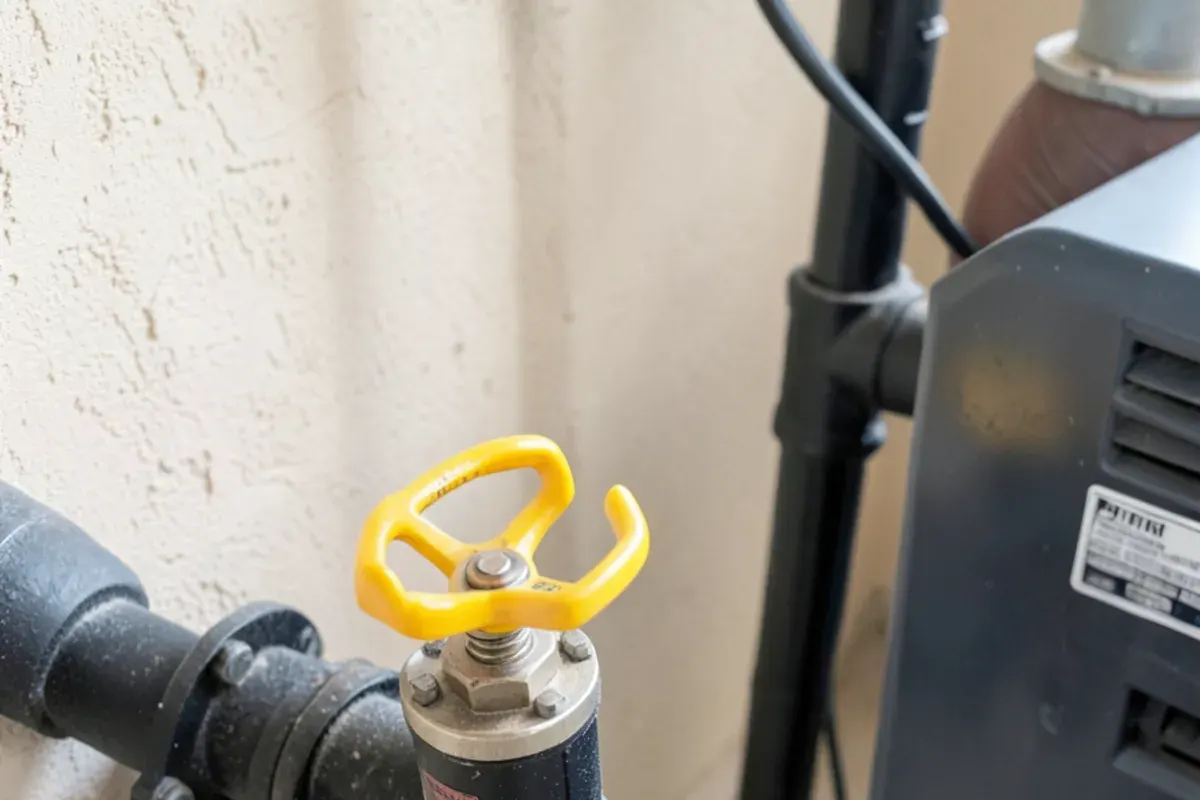
Size it with a Manual J load calculation, which works out how much heat each room loses through its walls, windows, ceiling and air leaks. Square footage alone misses all of that, and so does copying a neighbor's furnace.
Two local details change the math:
- Design temperature. ASHRAE data puts Albuquerque's 99.6% heating design temperature near 16°F, which means the load is figured for a very cold night and not the coldest night on record.
- Altitude. Many manufacturer manuals call for lowering gas input about 4% per 1,000 feet above 2,000 feet. That works out near 13% at 5,300 feet, so a furnace does not deliver its sea-level rating here. Some models use a different rate, so we follow the manufacturer's high-altitude instructions for the exact unit, and the East Mountains need their own numbers.
Bigger is not safer. An oversized furnace heats fast, shuts off and cycles all day, which wears parts and leaves rooms uneven.
Where the Furnace Goes Changes the Install
Pick the location for service access and venting, then choose the configuration to suit it.
- Hall closet or utility room. An upflow furnace is common here. It needs a safe path for combustion air, and it needs room to pull the blower.
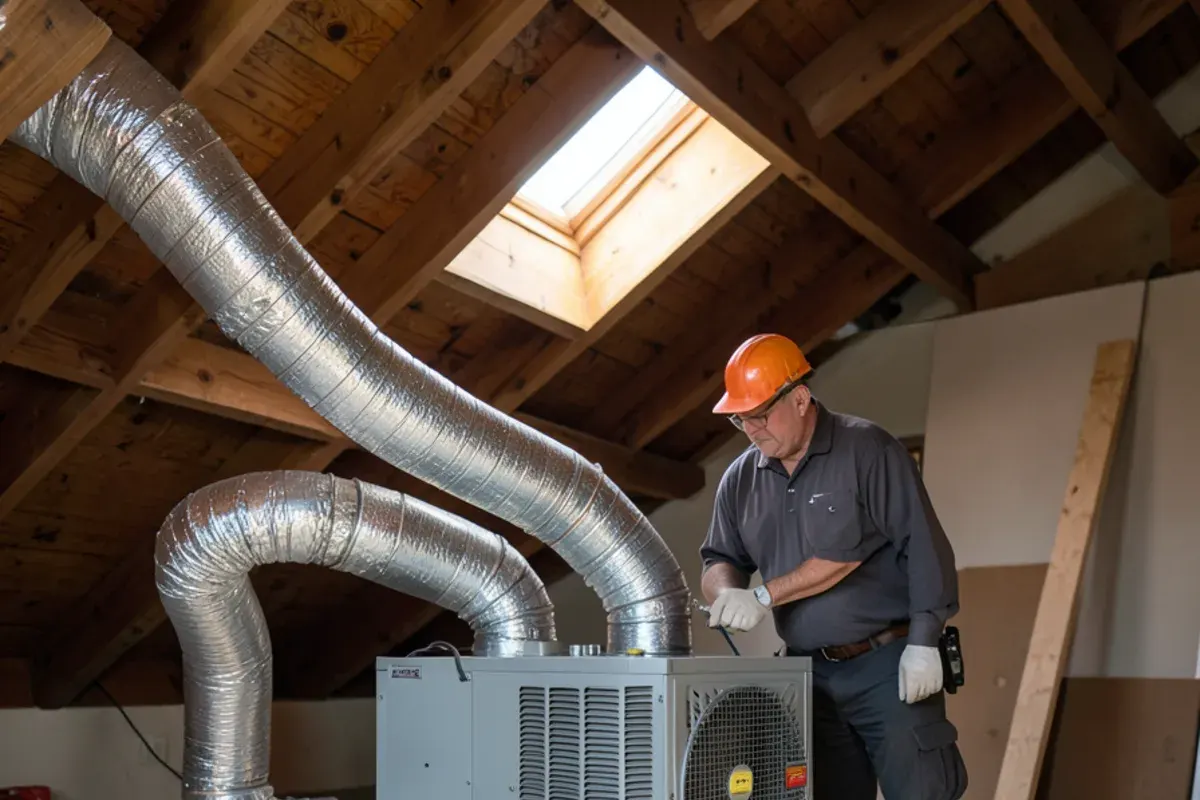
- Attic. A horizontal furnace saves floor space. Plan a platform, a walkway and protection for any condensate line against freezing.
- Crawlspace. Access, clearances and moisture decide whether this works.
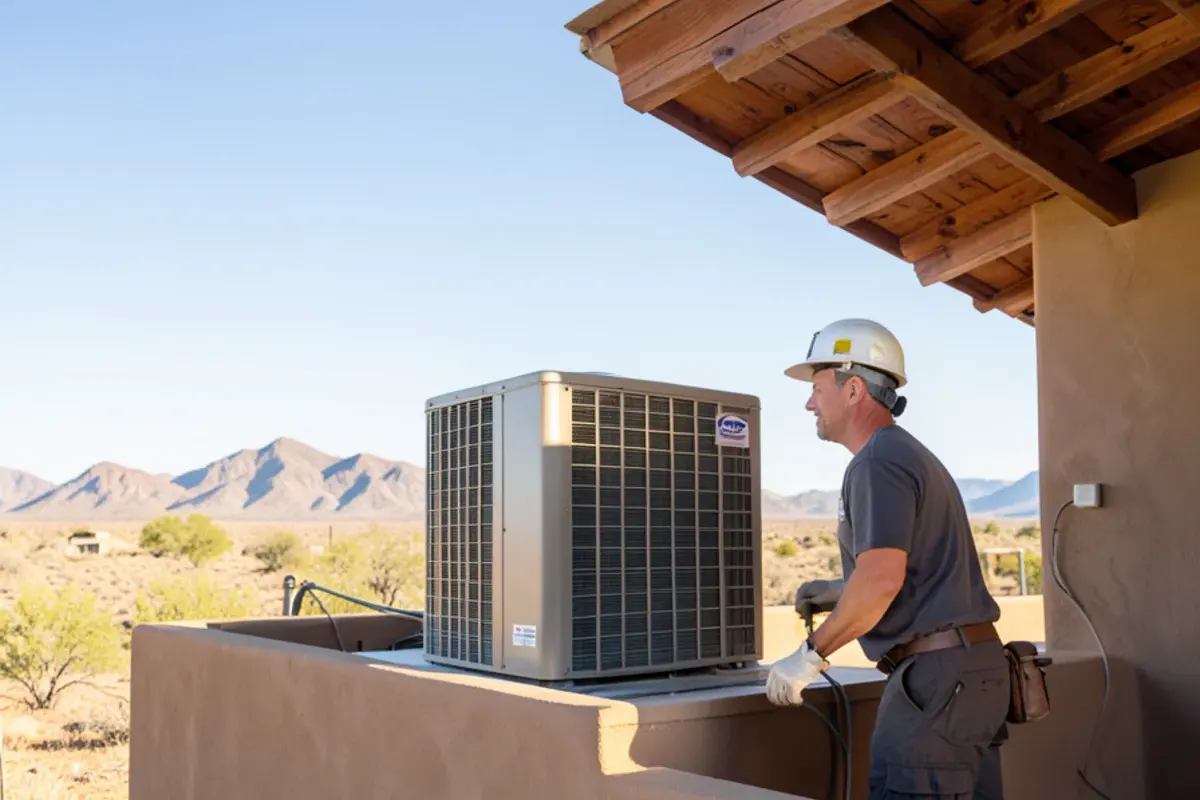
- Flat roof. Many pueblo-style homes have no attic, so a closet furnace or a roof package unit often makes more sense than squeezing ducts through a parapet.
High-efficiency furnaces vent through plastic pipe and make condensate that needs a drain. Standard furnaces vent through metal flue pipe. Each route has clearance rules, so the vent path is part of the location choice.
What a Complete Install Should Include
Compare quotes on this list, not on the equipment alone. Ours is written to cover each line:
- Manual J load calculation, and duct design for new runs
- Furnace make, model, input rating and AFUE, which is the share of fuel that becomes heat
- High-altitude setup, or propane conversion, per the manufacturer
- Gas, electrical, thermostat and condensate connections
- Venting and combustion air
- Permit: the quote should state who pulls the permit, and ours does
- Startup, test results and a walkthrough of the controls
Furnace Installation in Albuquerque, Step by Step
Timing depends on scope. A closet install with ducts in place moves far faster than a build with new duct runs, so we give you the expected duration with the quote.
- We walk the home, measure and run the Manual J.
- We review fuel, size and location with you, then write the estimate.
- The mechanical permit is pulled. Inside City limits the 2024 Uniform Administrative Code governs, and parts of the South Valley sit in unincorporated Bernalillo County, so the right office depends on the address.
- We set the furnace, then connect ducts, gas or power, venting and controls.
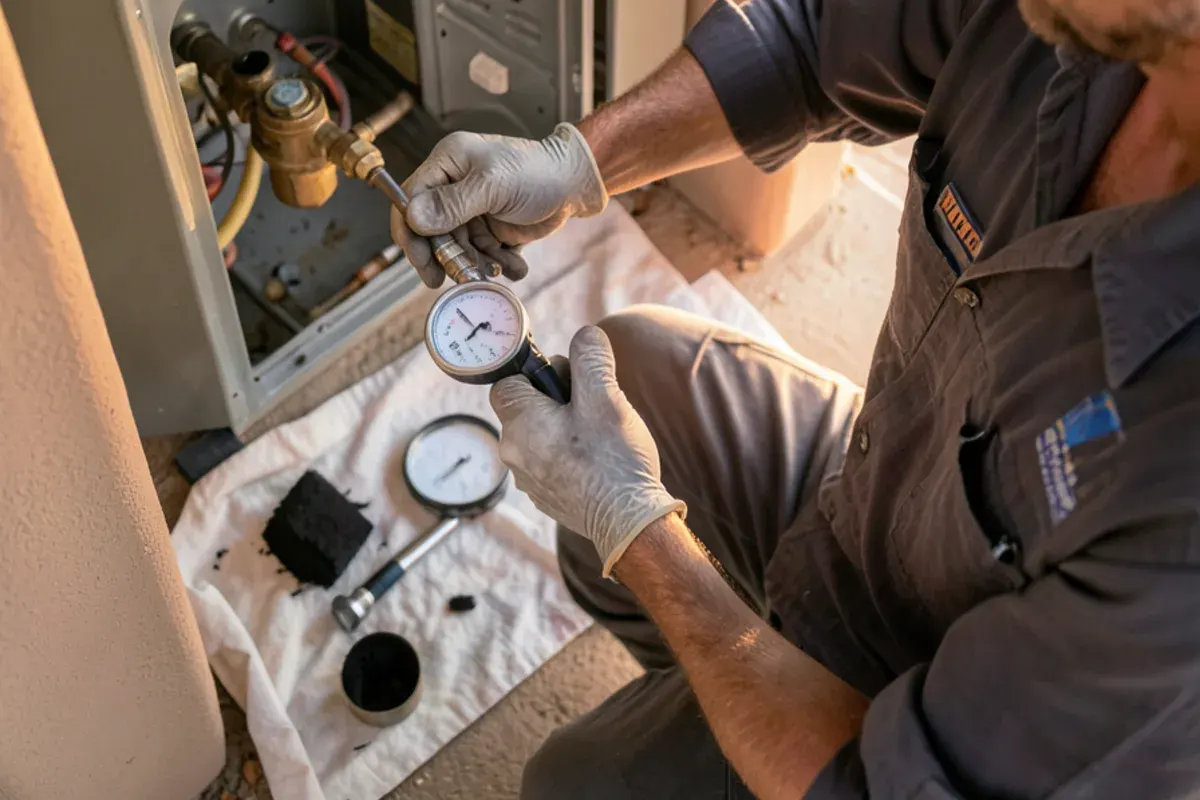
- We start it, check gas pressure, temperature rise and airflow, and make the altitude adjustments the manual calls for.
- We test operation through full heat cycles and show you the filter and thermostat, then the inspector signs off on the permit.
New Mexico has issued permits only under the 2021 International Energy Conservation Code since July 30, 2024 (14.7.6 NMAC). Confirm current fees and requirements with the Construction Industries Division (CID) Albuquerque office at (505) 222-9800.
What Goes Into the Price of a New Furnace?
We do not publish a furnace cost, because a closet swap and a new duct system are different jobs. The one published local figure covers more than a furnace: full HVAC replacement in Albuquerque runs $7,536 typical, $3,589 to $11,483 for most projects (RealCostIQ, 2026, a non-government estimate). Use it as context and get a written local quote for your home.
These items move a furnace-only price:
- Input size, AFUE rating and blower type
- New or modified ductwork
- Gas line changes or a new electrical circuit
- Vent length and roof or wall penetrations
- Access, such as an attic hatch or a tight closet
- Permit and inspection fees
Ask about flexible pricing options when you review the estimate.
Why Red Wrench for a New Furnace
- Experience at the top. Over 20 years of plumbing, heating and cooling experience sit with Dominic Montoya, who leads the company.
- Load math first. We size new systems with Manual J, not with a guess.
- A clear quote. Your estimate costs nothing, arrives in writing and carries no pressure.
- A checkable license. Look up NM CID License #413436 on the state license lookup. The state's mechanical classification is called MM98, and any furnace contractor's listing should show you what classification it holds.
- Care in the house. Customers mention clear communication and respect for the home.
“Had a entirely new unit installed new furnace new tubing all the works . Excellent job great communication even loaned me 3 window units to use while my ac was down. And installed a new thermostat for me . Highly recommend . A+++”
Looking After a New Furnace
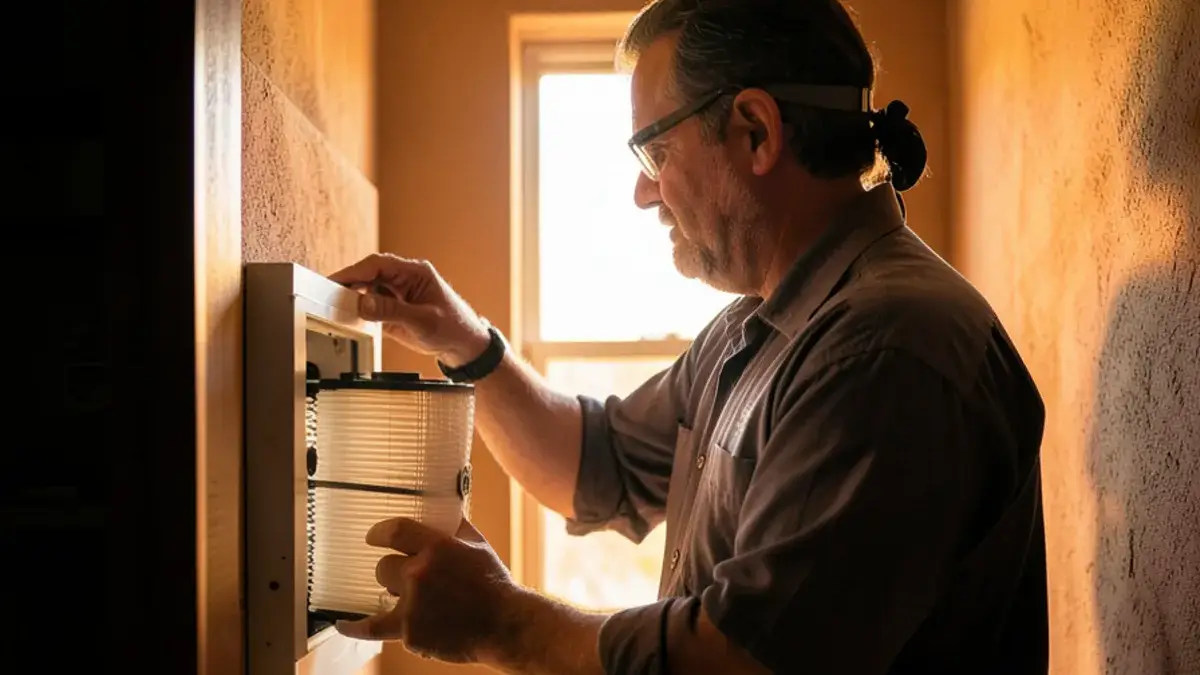
Check the filter monthly during the heating season and clear dust from around the cabinet. Book furnace maintenance each fall, and keep the outdoor vent or intake pipes clear if your model uses them. Keep your invoice and AHRI documentation, which is the matched-equipment paperwork a utility rebate may ask for.
We install furnaces across the metro and nearby towns, including Rio Rancho, Los Lunas and Edgewood.
Areas we serve
- Rio RanchoCity lists 5,679 feet, and mechanical permits run through its Development Services office.
- EdgewoodAt about 6,715 feet derate math changes; 58% of homes use utility gas, 16% propane.
- Sandia ParkCensus estimates show most homes on propane near 7,000 feet, so plan conversion kits.
- Los LunasGas reaches 77% of homes, and NOAA logs 152 freezing nights at the Los Lunas station.
- TijerasAt 6,382 feet, check Village review first if an addition changes the footprint.
- Cedar CrestOnly 8 of about 475 homes show utility gas, so fuel comes first here.
- PlacitasA three-way split of gas, propane and electric heat makes fuel the first decision.
- MoriartyChanges to existing structures start at the Zoning Office, and nights run colder at 6,222 feet.
- CorralesMechanical permits may go through Rio Rancho's building department unless the Village official says otherwise.
- GrantsNear 6,450 feet with 192 freezing nights, book new furnaces well ahead of winter.
- All service areas
Furnace Installation questions
How long does a new furnace installation take?
It depends on what the home needs. A furnace going into an existing closet with ducts in place is a much shorter job than an addition needing new duct runs, gas piping and venting. The permit and inspection add calendar time as well. We put the expected start date and duration on the written estimate.
Do I need a permit to install a furnace in Albuquerque?
Yes. A mechanical permit is required for installs and replacements. The office depends on the address: City limits, Bernalillo County or a neighboring jurisdiction. Published fee figures disagree, so confirm yours with that office. The quote should state who pulls the permit, and ours does.
Can I add central heat to a home with wall or floor heaters?
Often, yes, but ducts are the real project. We look at where supply and return runs can go, how the home is framed and whether a flat roof rules out an attic route. If ducts will not fit, a ductless heat pump may be the better answer for those rooms.
Should a furnace be sized bigger for Albuquerque's elevation?
Not by guesswork. Altitude lowers the input a gas furnace can use, so the working capacity matters more than the sea-level number on the box. We run a Manual J for the heat the house needs, then pick a model whose derated output covers it, following that manufacturer's table.
Can a gas furnace run on propane in the East Mountains?
Many can, using the manufacturer's conversion kit and the correct setup for elevation. Propane and natural gas burn at different pressures, so a furnace cannot simply be connected to a different fuel. Tell us the tank size, regulator and elevation at the estimate, because homes around Edgewood sit well above Albuquerque.
What does a furnace contractor need in New Mexico?
A Construction Industries Division license for HVAC work, issued through the Regulation and Licensing Department. A Qualifying Party is the licensed individual the company's license rests on. Check the license number and classification on the state lookup before you sign a contract, and make sure the name matches the company on the quote.
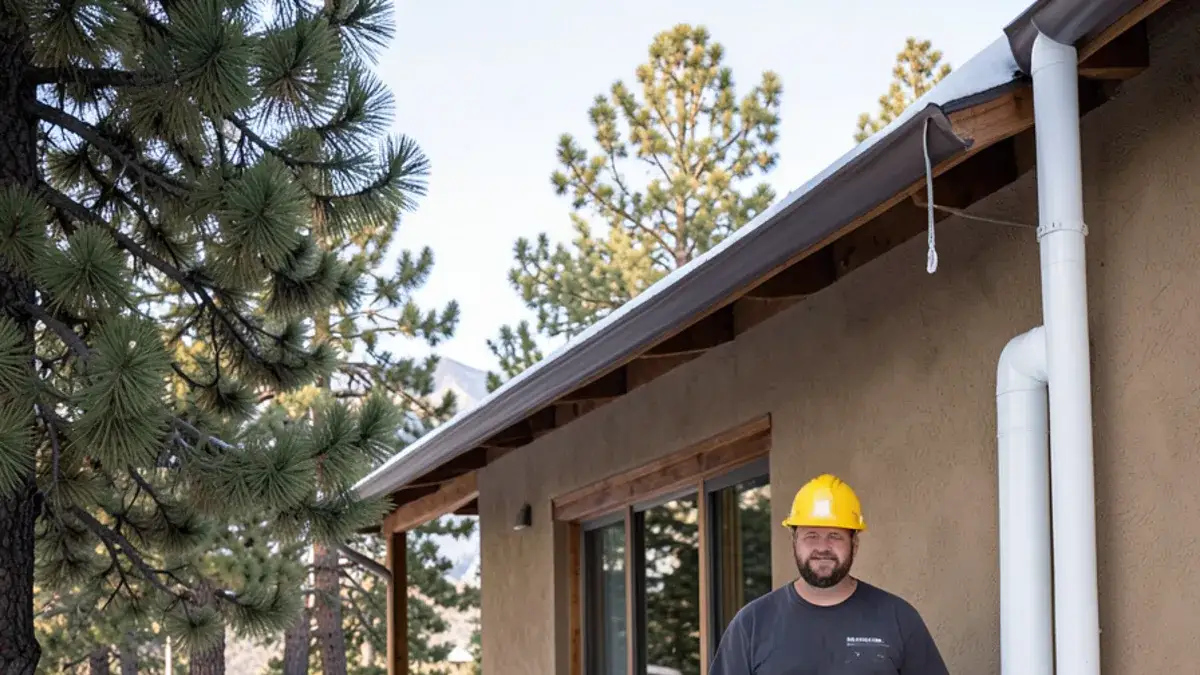
Talk to Red Wrench about furnace installation
Call any hour. You get a straight answer, a free written estimate and the price before the work starts.
- NM CID License #413436
- 24 Google reviews
- Led by Dominic Montoya, over 20 years in the trade
- Free written estimates
Red Wrench Company, 5635 Paradise Blvd NW, Albuquerque, NM 87114, (209) 563-1270