

Is Air Duct Cleaning Worth It?
Sometimes. EPA does not recommend it as routine care, and we will tell you when your ducts do not need it.
- NM CID License #413436
- 24 Google reviews
- Led by Dominic Montoya, over 20 years in the trade
- Free written estimates
By Dominic Montoya, Owner of Red Wrench Company. Published , updated .
Is duct cleaning worth it? Sometimes, and less often than the mailers suggest. EPA says it "does not recommend that the air ducts be cleaned routinely, but only as needed", and that duct cleaning has never been shown to actually prevent health problems. Red Wrench Company offers it, and we still tell customers to look before they pay.
What Does EPA Actually Say?
EPA's guidance is the best starting point because it has nothing to sell. Its position comes down to four points.
- Ducts should be cleaned as needed, not on a schedule.
- Duct cleaning has never been shown to prevent health problems.
- There is no evidence that a light amount of household dust in ducts poses a health risk.
- EPA does not certify, endorse or approve duct cleaning companies, so anyone claiming EPA certification is misleading you.
That is a measured position, not a condemnation. EPA still lists clear situations where cleaning makes sense, and those situations are worth a look.
When Is Duct Cleaning Worth It?
EPA says to consider cleaning when you have substantial visible mold, pests, or ducts clogged with excessive dust and debris. Use this table to sort your situation.
| What you found | Worth cleaning? | What comes first |
|---|---|---|
| Visible mold inside hard ducts | Likely | Fix the moisture, and confirm it is mold |
| Rodent or insect infestation | Likely | End the infestation first |
| Dust or debris blowing out of vents | Likely | Find the source of the dust |
| Heavy debris after a remodel | Likely | Seal the ducts during the work next time |
| Ordinary dust on the register cover | No | Wipe the grille and replace the filter |
| Mailer offering a cheap whole-house special | No | Skip it |
| Hoping to fix allergies with no visible problem | Probably not | Talk to your doctor and improve filtration |
If mold is the concern, fix the water first. Cleaning a duct while the cause remains means the problem is likely to come back. Ask for evidence before you pay, too, since a stain inside a duct is not automatically mold. EPA also warns that sealants should never be used on wet duct liner, to cover actively growing mold, or to cover debris.
Proving it is mold takes more than a look. EPA says only an expert can confirm it and lab analysis may be needed, and it notes a lab can test a sample taken on clear sticky tape for about $50. The materials matter as well. Wet or moldy duct insulation cannot be effectively cleaned and should be replaced, and EPA says cleaning does not stop regrowth on moldy fiberglass liner. In that case you are pricing a duct repair, not a cleaning.
Why Do Albuquerque Homes Feel So Dusty?
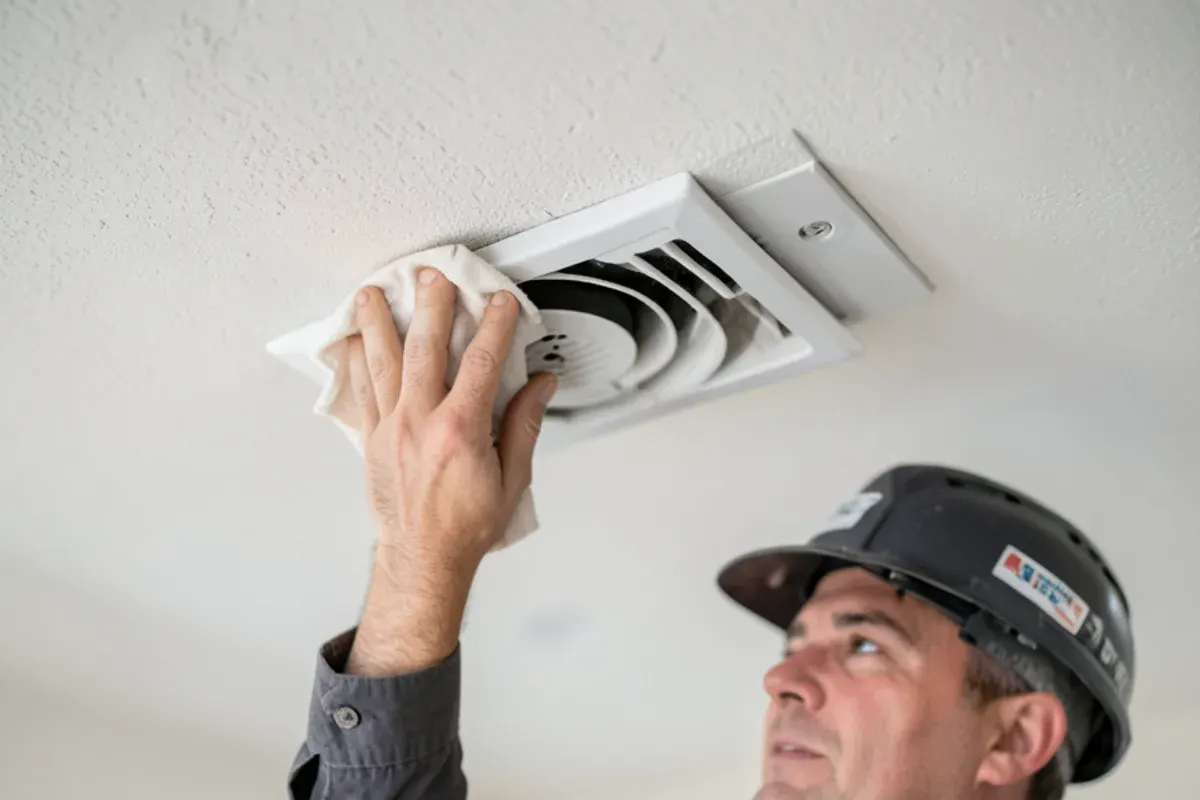
Our dust usually comes from outside the ducts. Blowing dust is part of life here, and dry soil, spring wind and open windows carry it in. A swamp cooler adds outside air on purpose, and it brings some of that dust along. So dust on the furniture does not mean the ducts are dirty.
Leaks can be the real cause. A return duct with a gap can pull attic or crawlspace dust straight into the system, and no cleaning fixes that. ENERGY STAR says a typical home loses about 20 to 30 percent of duct air to leaks and poor connections, so a duct repair inspection may do more for your dust than a vacuum truck.
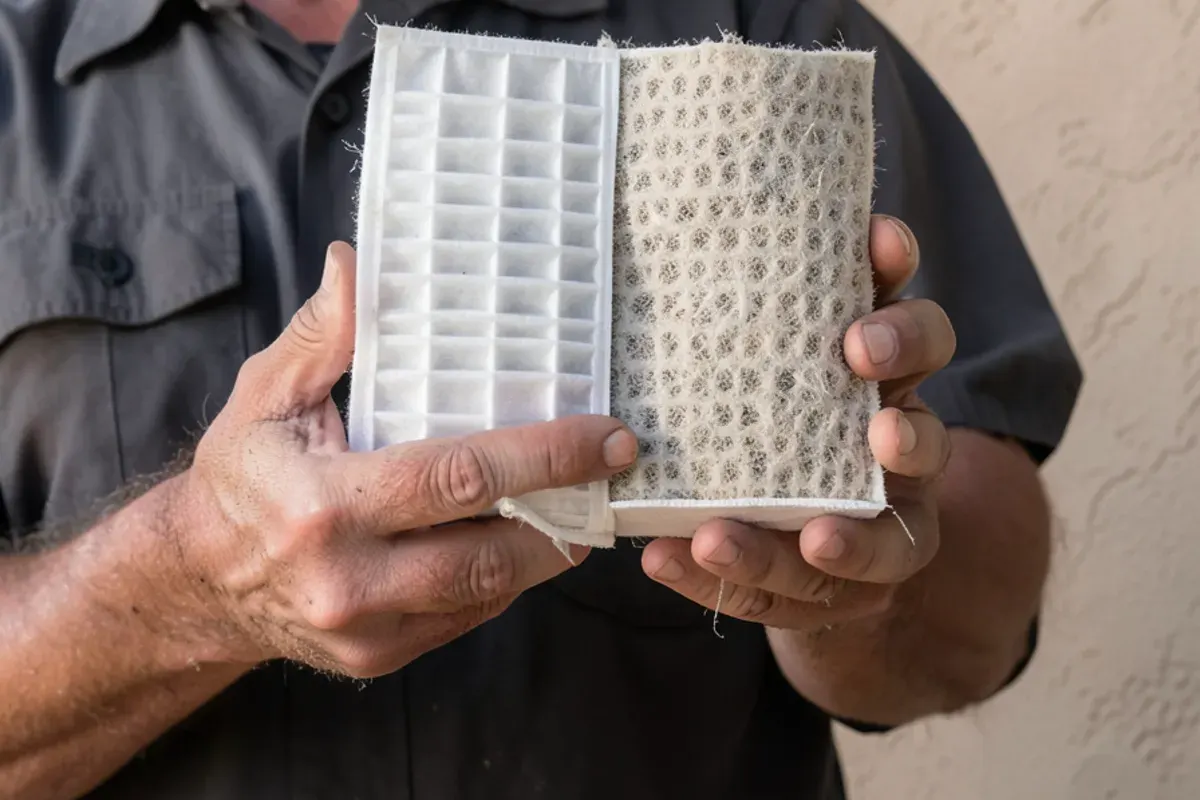
The filter comes next. ENERGY STAR says to check it monthly. A better-fitting filter, or a step up in air purifiers and filtration, catches dust before it reaches the rooms.
What Should a Good Duct Cleaning Job Include?
A real cleaning is slow, physical work on the whole system. If the job takes place at all, insist on these parts.
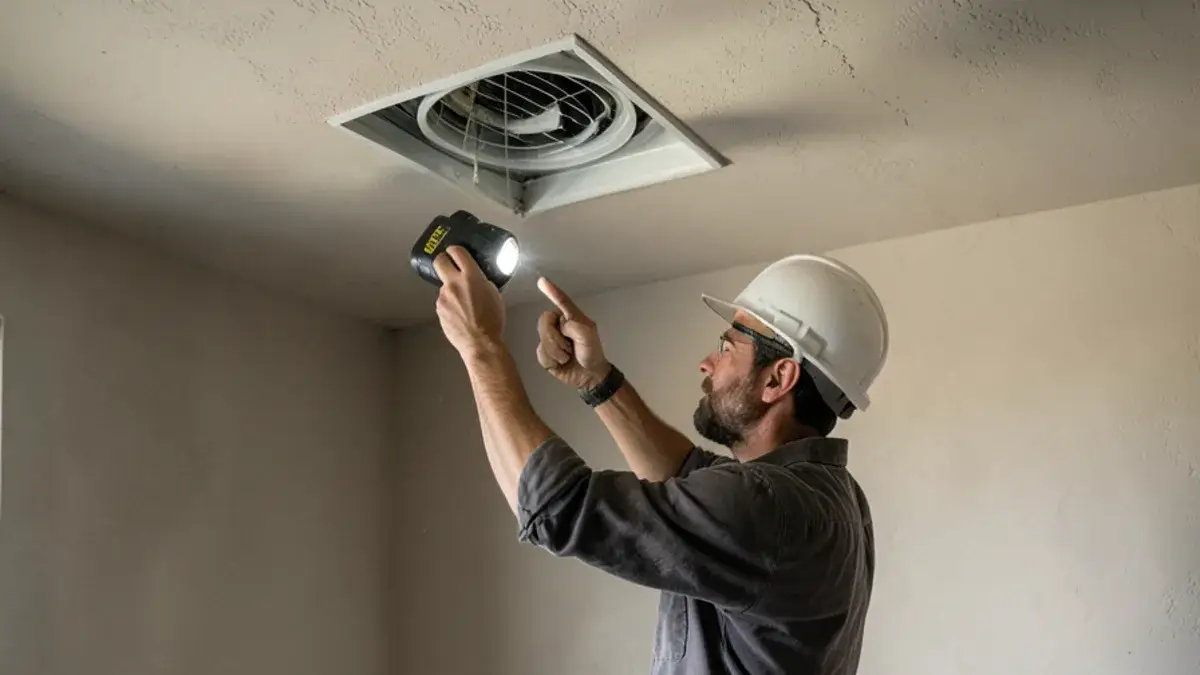
- An inspection first. Someone should look inside the ducts, not only at the vents.
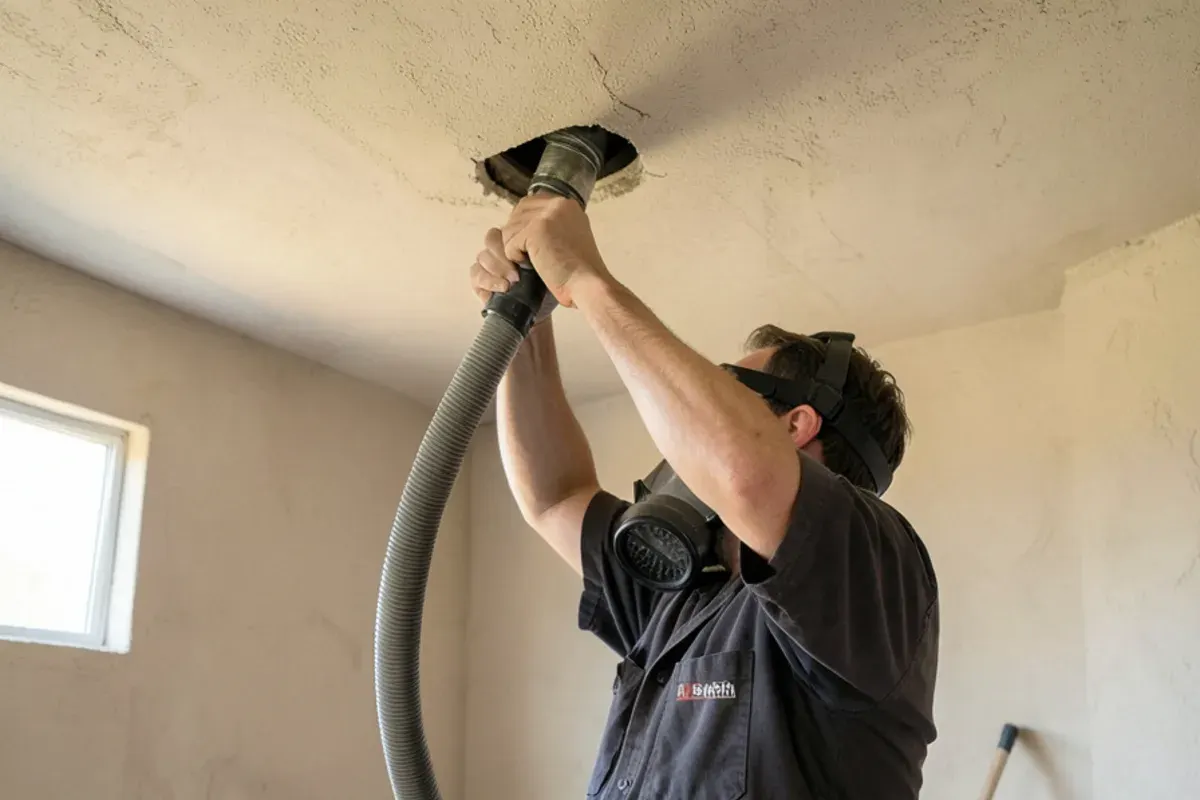
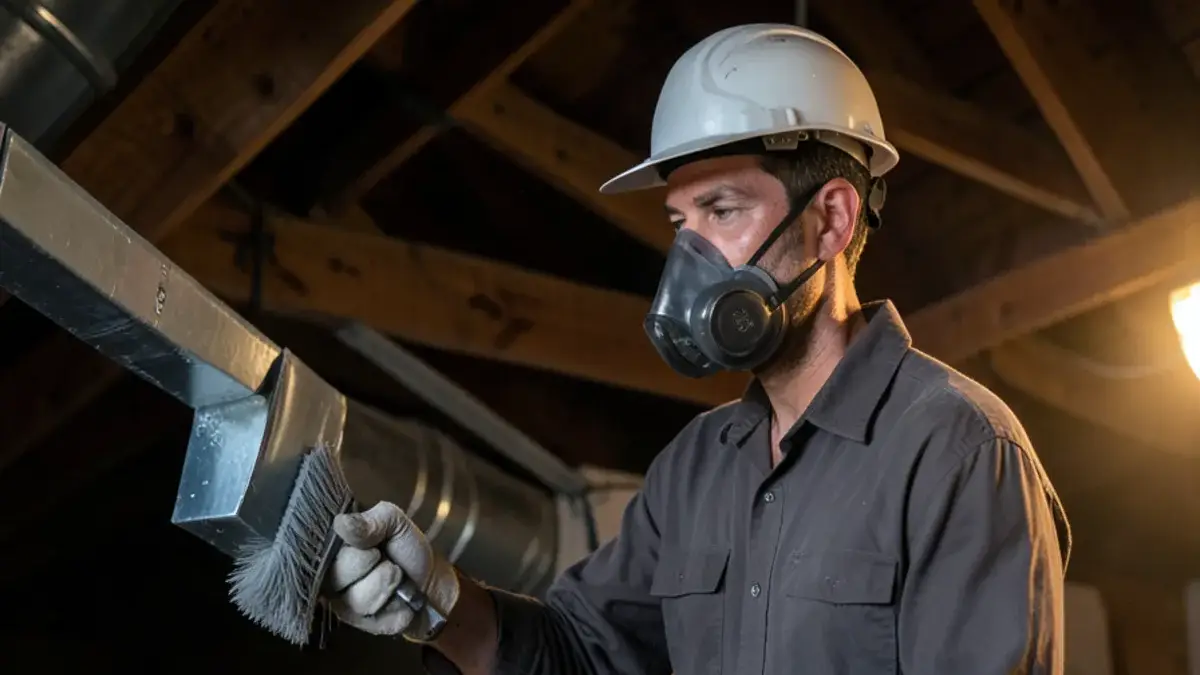
- Negative pressure. A vacuum should hold the system under suction so loosened dust does not blow into the house.
- Agitation. Brushes or air whips loosen what the vacuum alone cannot move.
- Every part of the system. Coils, drain pan, blower and returns matter too. EPA warns that skipping one part of a contaminated system can lead to re-contamination.
- Sealed access holes. Any opening cut into a duct must be closed properly afterward.
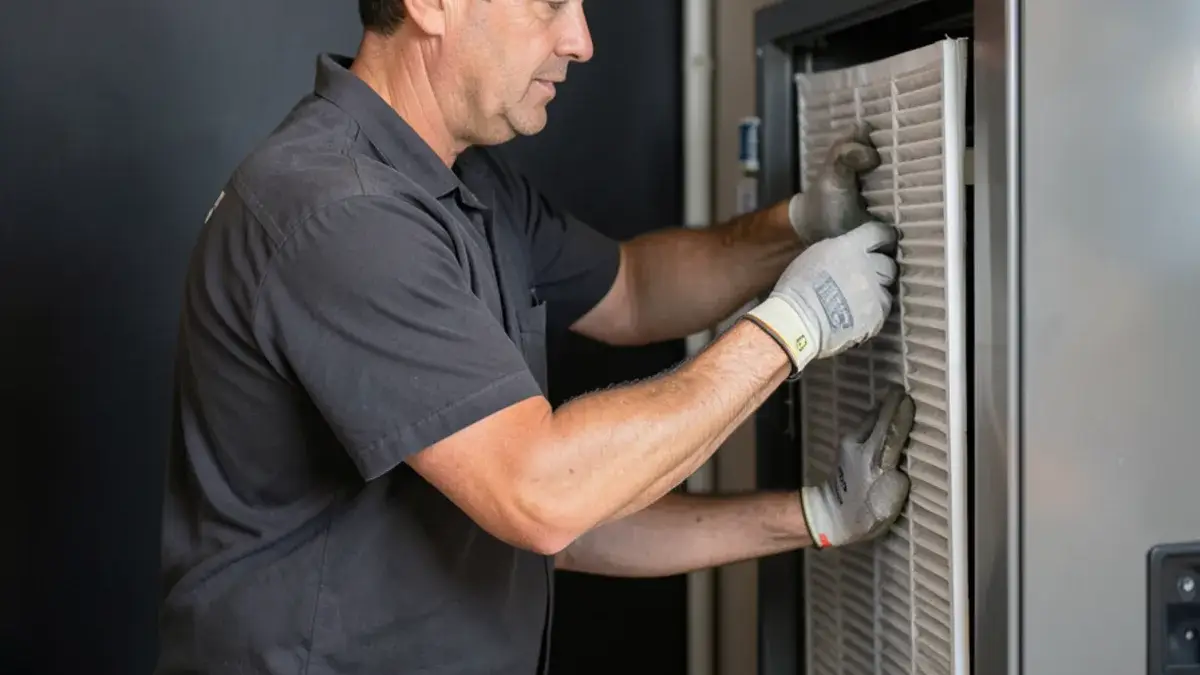
- A filter change at the end. The job is not done with a dirty filter in the slot.
- An asbestos check on older systems. EPA says to check for asbestos-containing materials before work begins, which matters in homes with original ductwork.
- Safe exhaust and gentle tools. Vacuums should exhaust outdoors, or through HEPA filtration if they exhaust indoors. Fiberglass and lined ducts call for soft brushes.
- A visual check before you pay. EPA says every part should be visibly clean, and it publishes a post-cleaning checklist covering coils, drain pans, blowers, plenums and registers.
Think twice about chemical add-ons. EPA notes that no chemical biocides are currently registered for use in internally insulated air duct systems. If a provider wants to spray something in your ducts, ask what it is, why it is needed, and for the label.
What We Tell Customers Who Got a Cleaning Mailer
Our advice is the same whether you hire us or someone else. Selling a job you do not need is a bad way to keep a customer.
- Ignore low teaser prices. A whole-house cleaning is slow work, so a very cheap offer is usually a door opener for upsells.
- Reject sweeping health claims. EPA says not to hire duct cleaners who make them.
- Get several written estimates. EPA suggests talking to at least three providers.
- Ask to see the problem. A photo from inside your duct beats a claim about what is in there.
- Skip the routine schedule. EPA does not recommend cleaning on a calendar.
- Ask which standards they follow. EPA suggests confirming a provider works to National Air Duct Cleaners Association standards and, on fiberglass, to North American Insulation Manufacturers Association recommendations.
- Pin down hourly work. If the job is billed by the hour, get the expected hours, total cost and scope in writing.
What Duct Cleaning Will Not Buy You
Cleaning competes for the same dollars as filtration and leak repair, so be honest about what it delivers.
- Lower bills. EPA says little evidence shows that cleaning only the ducts improves efficiency. Dirty cooling coils, fans and heat exchangers are different, since cleaning those may help.
- Tighter ducts. Cleaning does nothing for leaks. If lost air is the problem, sealing the leaks can save energy, and that is the better spend.
- A sealed system from a spray can. Sealing joints is not the same as spraying a sealant inside the duct. EPA says the safety, effectiveness and durability of those products are unproven, and neither EPA nor major industry groups routinely recommend them.
- Ozone treatments that work. EPA calls ozone in ducts controversial and unproven.
The fair case for cleaning is narrower than the mailers suggest, but it is real. When debris is coming out of the vents, or a pest problem has been dealt with, cleaning the whole system is the right fix, and EPA says there is no evidence that proper cleaning is harmful. The trade-off is that the job only pays when the moisture or dirt source is fixed first.
Our Bottom Line on Duct Cleaning
Pay for cleaning when you can see the reason: mold you have confirmed, pests, or debris coming through the vents. Otherwise, spend the money on filtration, sealing or the leak that is pulling the dust in.
If you want a second opinion in Albuquerque or nearby Bernalillo, we can look at your system and write up what we see. When air duct cleaning is the right call, we will say so and price it in writing. When it is not, we will say that too. Call (209) 563-1270.
Related services
Areas we serve
Common questions
How often should air ducts be cleaned?
There is no set schedule. EPA says only as needed, not routinely. Clean them when you have confirmed mold, pests or debris blowing from the vents. A dusty house alone is not a reason here, since blowing dust and open windows bring plenty of it in from outside.
Will duct cleaning help with allergies?
It has not been shown to. EPA says duct cleaning has never been shown to prevent health problems, though it suggests a closer look if someone has unexplained symptoms. Start with your doctor, a better filter and fixing any return leaks that pull in attic dust.
Does duct cleaning lower my energy bills?
Rarely on its own. EPA says little evidence shows that cleaning only the ducts improves efficiency, though cleaning dirty coils, fans and heat exchangers may help. In a house with ducts in an attic or crawlspace, sealing air leaks is the likelier path to lower bills. Ask any provider making a savings claim to show you the basis for it.
What should I check after a duct cleaning?
Look before you pay. EPA says all parts of the system should be visibly clean, with no debris you can detect by eye, and its checklist covers coils, drain pans, blowers, plenums, filters and registers. Confirm any access holes were sealed and re-insulated. Ask to see photos from inside the ducts, and run the system to confirm normal operation.
Rather have someone look at it?
Call any hour. You get a straight answer, a free written estimate and the price before the work starts.
- NM CID License #413436
- 24 Google reviews
- Led by Dominic Montoya, over 20 years in the trade
- Free written estimates
Red Wrench Company, 5635 Paradise Blvd NW, Albuquerque, NM 87114, (209) 563-1270